|
By Dave and Mary
Building Permits and Codes
Protect You and Save You Money
Why are building permits so important? Do you know all of the code requirements?
Not knowing them can get you or your family hurt, can result in lawsuits, increase your overall costs, and possibly damage your home.

It is extremely important to make your local codes department aware of your construction intentions. This is not only to
protect you but also your neighbors, visitors, subdivision,and local government as well.
Most of us take great pride in our DIY prowess - and rightly so.
However, no matter how good you may be, unless the necessary permits have been pulled, insurance companies may not cover you in the
event of loss, and local governments can issue "cease and desist" orders and could make you disassemble what you've built.
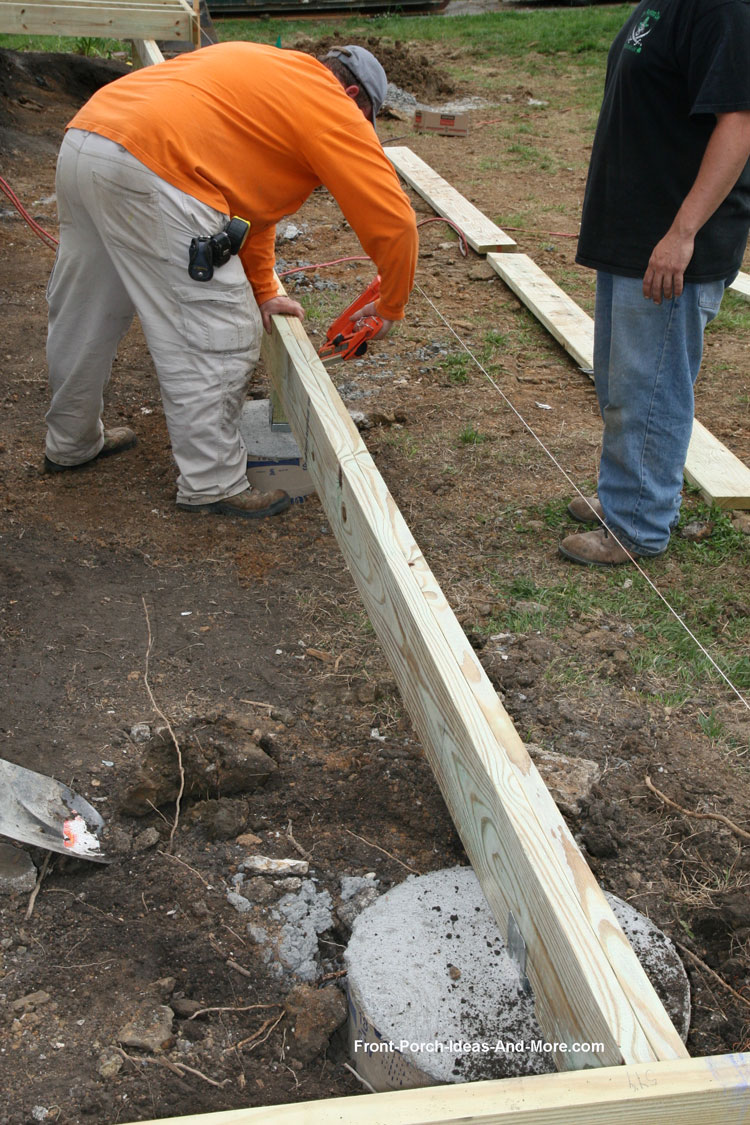
I was replacing an existing deck on the back of our house and guess what - someone contacted our subdivision homeowner's association.
Fortunately, I had the proper permits and had submitted the work to them in advance.
Someone is always watching and more than willing to let others know what you are doing.
Another reason to do it the right way is to ensure your insurance company covers any damage as a result of your DIY project.
If contractors work on your home, they will pull the necessary permits.
I like the assurance I get from the codes inspection and file the completed paperwork in our home-owners insurance folder.
I've never had an issue with a codes inspector; all have been extremely helpful.
Advantages of Building Permits
These codes are in place to protect your family, those living around you from fire, electrical shock,
and other potential dangers that are possible when a construction project is not completed properly.
Government agencies at all levels require compliance with building codes for home construction.
There is an expectation that, even as a homeowner, you must comply with the building codes.
Codes also serve to protect your investment. Home inspections are common place and if the inspector determines
your project did not meet home construction codes chances are the buyers will back out of the offer.
You will then need to bring your home addition or home remodeling project up to code. You'll end up spending more
money on your project by not pulling the proper permits, having your work inspected, and filing your completed permits appropriately.
Having your project regularly checked during the construction by the local building inspector will make you feel
more comfortable knowing that your project not only meets the national and local building codes, but is also safe and your financial investment is protected.
General Permit Process
Before issuing a building permit, your local building office will require a set of plans and cost estimates.
(Most fees associated with permits are based on the cost of the project).
After your plans have been approved and you've paid the fees you'll know what specific inspections will be required and
when you need to contact an inspector.
Building permits are usually good for approximately 180 days and you can apply for extensions if necessary.
- You will have to fill out specific forms so be ready to provide a description of the project, address,
and an estimated cost of the project. One set will be kept by the permit department, another by you, and one has to be posted on site.
- Have from two to four sets of drawings
- You will receive written approval of your project
- Some communities approve permits based on stages of construction
- An inspector will come to the site and approve your work. After completion of the project you will receive a
final inspection receive approval. (Keep the approval with either your home documents or with your insurance documents)
Don't Let Pride Get in the Way
The costs of building permits are quite minor, relative to the total cost of your project.
Many don't pull permits because they don't want to have to hire licensed contractors
(to minimize costs)or they think they know all there is to know about the construction (too much pride).
In some cases the permit process may force you to use contractors for certain aspects of your project.
However, most local code departments will allow a home owner to work on their own home without a licensed contractor to even
include electrical and plumbing. Contact your local codes department to see what work a home owner can do on their own home in your community.
A friendly recommendation from Mary and I: Comply with your local ordinances. It's just not worth the aggravation to do otherwise.
Important Building Source Information
Using a contractor?
See our interview with Nancy Moore,
owner of The Porch Company, who explains what you need to find out before you build.
Here's a great resource for information related
Residential Building Codes, Construction Standards, Building Permit Information.
Even if you are an experienced builder you may find this resource very informative.
Hi! We're Mary and Dave, lifelong DIYers, high school sweethearts, and we both love porches.
You've come to the right place for thousands of porch ideas.
Our Sponsors
End Sponsors
|
Hi! We're Mary and Dave, lifelong DIYers, high school sweethearts, and we both love porches.
You've come to the right place for thousands of porch ideas.
--- Our Sponsors ---
--- End Sponsors ---
Find Top-Rated Service Pros
Our Newsletter, Front Porch Appeal
Learn more!
Thank you for being here!
|








 These codes are in place to protect your family, those living around you from fire, electrical shock,
and other potential dangers that are possible when a construction project is not completed properly.
These codes are in place to protect your family, those living around you from fire, electrical shock,
and other potential dangers that are possible when a construction project is not completed properly.